Watercolor Daisy Tattoo: Symbolism, Techniques, and Care Tips
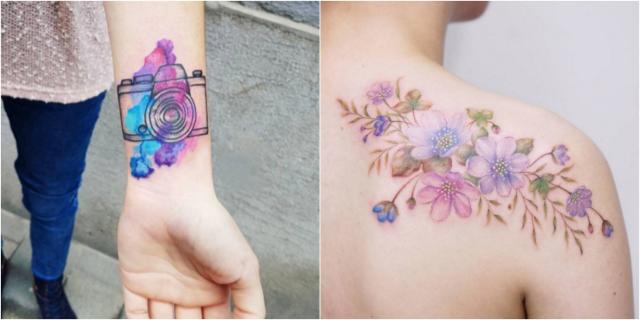
– Watercolor tattoos resemble delicate watercolor paintings with no heavy black outlines
– Techniques for watercolor tattoos include blurs, shades, fades, bleeds, and runs
– Pain experienced during watercolor tattoos varies from person to person
– Layering colors may cause more pain during the tattooing process
– Watercolor tattoos will hurt, but not necessarily more than regular tattoos
– Watercolor tattoos fade faster due to the soft colors, shading, and absence of a distinct outline
– Brighter colors fade quicker, with white fading the fastest
– Using richer colors can reduce fading but touch-ups may be difficult due to the lack of a strong outline
– Preventing fading is important, and UV rays from sunlight are the primary cause of tattoo fading
– Applying sunscreen with a minimum SPF of 30 is recommended for protecting watercolor tattoos
– Areas that fade quickly include hands, tops of feet, buttocks, and areas exposed to the sun
– Choosing areas that are not often exposed and protected from UV rays can help maintain watercolor tattoos
– Proper moisturizing is important for maintaining the vibrancy of watercolor tattoos
– Personal lifestyle preferences and risks should be considered before getting a watercolor tattoo